
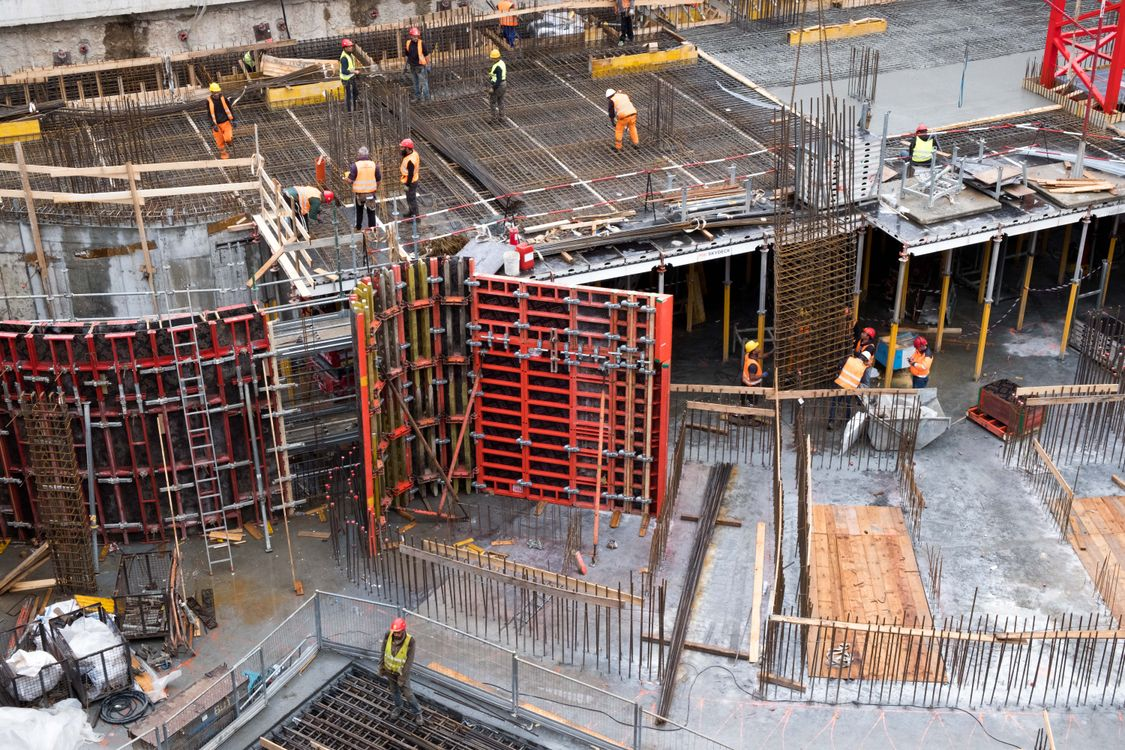
New construction projects are among the most rewarding real estate investments an investor can undertake, and among the most complex to finance. Unlike a standard purchase or even a renovation, ground-up development involves months of planning, multiple contractors, phased capital releases, and ongoing lender oversight from start to finish. Knowing what to expect before the first shovel hits the ground removes a significant amount of friction from the process and puts investors in a much stronger position to execute.
Before the Loan: Pre-Construction Planning and Lender Expectations
The ground-up construction loan process begins well before any paperwork is submitted. Lenders evaluate new development deals differently from acquisitions, and the documentation required reflects that.
A complete set of architectural plans and permits, a detailed construction budget broken down by trade, a contractor agreement with a licensed and insured general contractor, and a project timeline are all standard requirements. Lenders want to see that the project has been thought through carefully before capital is committed, not that the investor is figuring it out as they go.
The after-construction value is central to the approval. An independent appraisal based on the completed plans and comparable finished properties in the area establishes the ceiling for how much ground-up construction loans can fund. Most lenders will advance a percentage of either the total project cost or the completed value, whichever is lower, which is why having realistic cost estimates from the start matters as much as it does.
How Phased Funding Works
Once the loan closes, funds are not released in a single disbursement. Construction loans operate on a draw schedule, where capital is released in stages as specific milestones are reached and verified. Common draw stages include site preparation and foundation, framing and structural work, mechanical systems such as electrical, plumbing, and HVAC, exterior finishes, and interior completion.
Before each draw is released, the lender orders an inspection to confirm that the completed work matches the approved plans and budget. This step is non-negotiable. Investors who try to accelerate ahead of the draw schedule without proper documentation will find funding delayed, which in turn delays the contractors and the entire project timeline.
Understanding the draw process before construction begins allows investors to plan contractor payment schedules accordingly. Most contractors expect progress payments as work is completed, and aligning those expectations with the lender’s inspection and release timeline avoids cash flow gaps that can stall a project mid-build.

The Role of Project Management in Loan Performance
Lenders who provide asset-based real estate loans for new construction are monitoring not just the property but the pace and quality of the build. A project that falls significantly behind schedule raises concerns about cost overruns, contractor reliability, and the borrower’s ability to exit the loan within the agreed term.
Active project management is not just good construction practice; it directly affects how smoothly the financing performs. Investors who stay closely involved with their general contractor, track progress against the approved timeline, and communicate proactively with their lender when issues arise tend to move through the draw process far more efficiently than those who take a hands-off approach.
Budget discipline matters equally. Construction costs have a tendency to expand, and a project that exhausts its contingency reserve early leaves the investor in a difficult position when unexpected expenses arise later in the build. Most experienced hard money lenders who fund construction deals recommend building a contingency of at least ten percent into the initial budget, and resisting the temptation to spend it on scope upgrades rather than holding it for genuine surprises.
From Completion to Exit
As construction approaches completion, the focus shifts from managing the build to executing the exit strategy. For investors planning to sell the completed property, this means coordinating the listing timeline with the final inspection and certificate of occupancy. For those planning to hold and rent, the exit typically involves refinancing the construction loan into a long-term loan once the property is stabilized and producing income.
Lenders will want to see the exit strategy documented and credible before the loan closes, but the work of actually executing it begins in the final weeks of construction. Engaging a real estate agent, ordering a new appraisal, or submitting a refinance application before the project is fully complete keeps the timeline tight and reduces the carrying cost of the construction loan in its final stages.
At Deep South Capital, our ground-up construction loans are structured to support developers and investors from pre-construction planning through final build completion. As direct hard money lenders in Houston, TX, with experience across new development projects, we fund phased draws, evaluate project budgets carefully, and work closely with borrowers to keep timelines on track. Whether your exit is a sale or a refinance into DSCR rental loans or other investment property loans, our team is ready to structure the right financing for your build.
Contact us now.